

Attic Fan Benefits
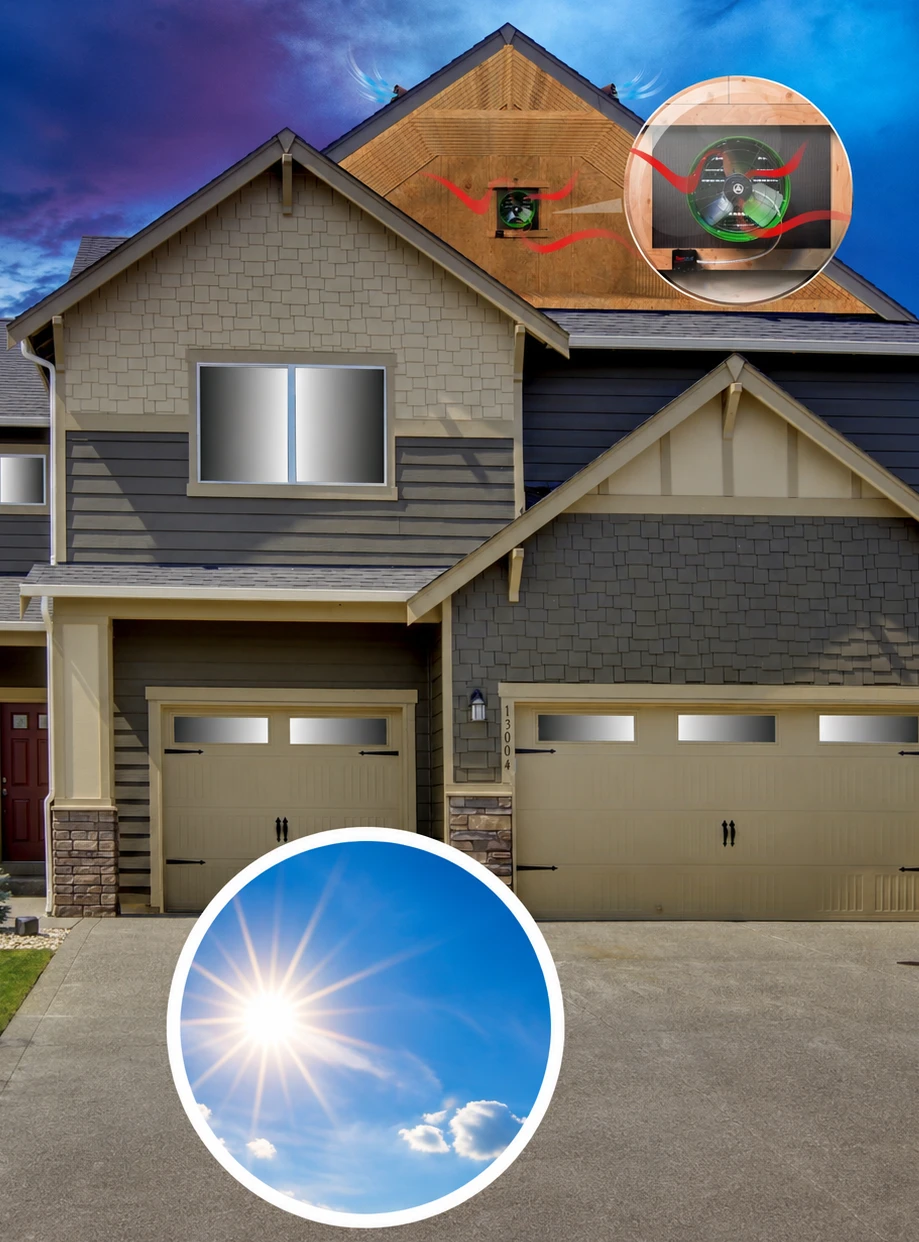
Summer Mode
Lower Attic Temperature by up to 50ºF
Extend the Life of Shingles
Improve Home Comfort
Reduce A/C Run-time
Save up to 30% on A/C Cooling Costs

Winter Mode
Prevent Ice Damming
Avoid Attic & Roofing Damage
Prevent Humidity & Moisture Damage
Protect the Roofing System
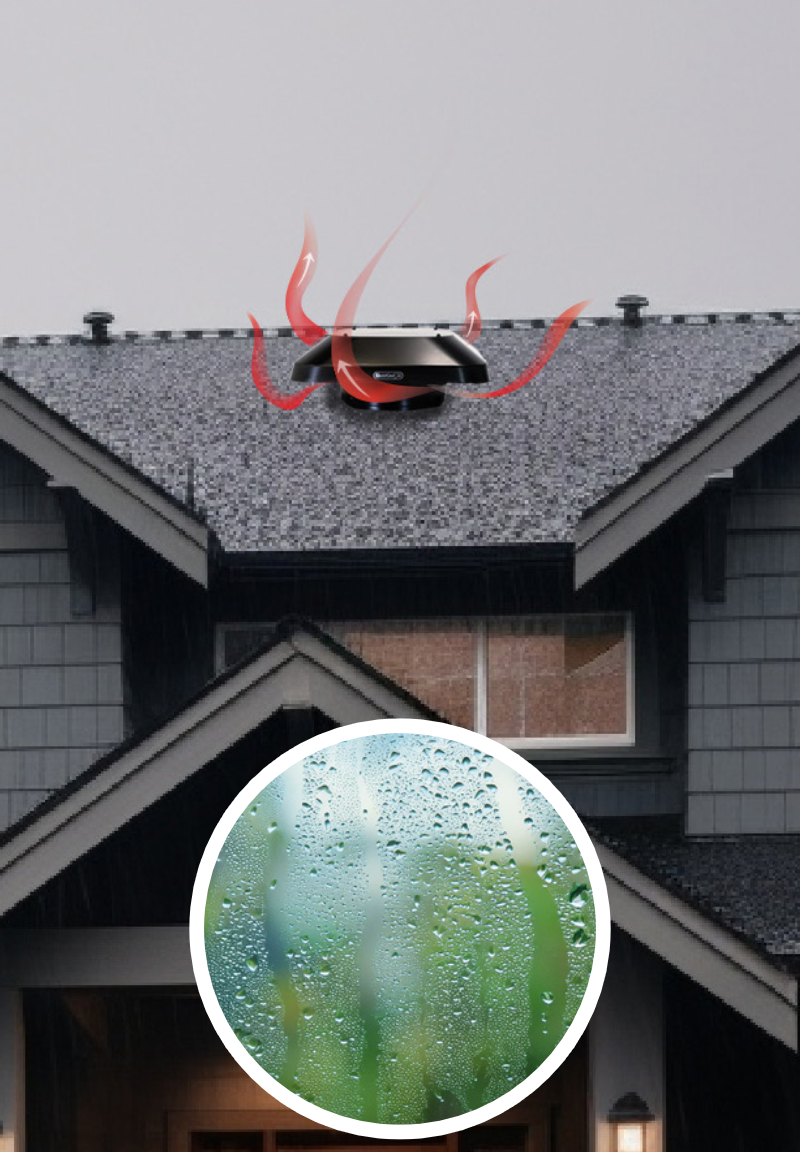
Humidity Mode
Reduce Moisture in the Attic
Prevent Mold, Mildew & Woodrot
Protect the Attic & Roofing System
Humidity Turn On Feature
Humidity Turn Off Feature
Why Attic Ventilation Matters
Your attic can reach temperatures of 150°F or higher during summer months, causing your air conditioning to work harder and potentially damaging your roof structure. Attic fans actively remove this superheated air, replacing it with cooler outside air.
Proper attic ventilation also prevents moisture buildup in winter, protecting your insulation, preventing mold growth, and extending the life of your roof.
How Attic Fans Work
Heat Detection
Thermostat automatically activates fan when attic reaches preset temperature (typically 75-100°F).
Air Circulation
Powerful fan exhausts superheated air from attic while drawing in cooler outdoor air through soffit vents.
Temperature Maintained
Fan cycles on and off automatically to maintain optimal attic temperature, reducing heat transfer to living spaces.
24/7 Coverage
Pair with a QuietCool Whole House Fan for 24/7 coverage to maximize comfort and energy savings.
What Our Customers Say
Attic Fan Options
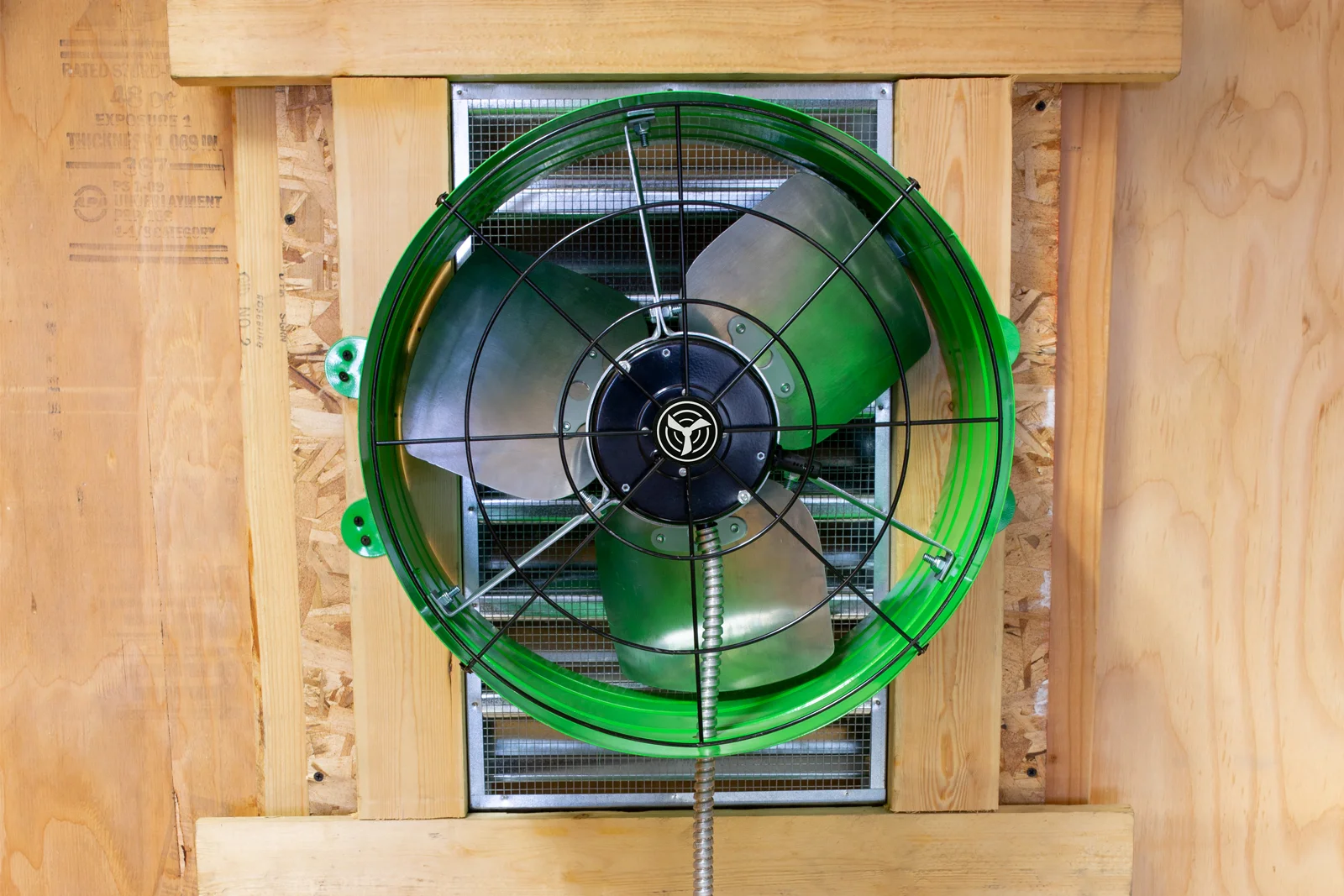
Gable Installed Fans
Most common and reliable attic ventilation solution
- •Covers up to 3,500 sq ft
- •Thermostat controlled operation
- •Optional humidistat for moisture control
- •Brushless ECM motor for whisper quiet operation
- •15-Year Warranty Coverage
Roof Mounted Attic Fan
Powerful ventilation for homes with limited attic space
- •Covers up to 2,500 sq ft
- •Ideal for homes with no gable vent or low attic space
- •Whisper quiet operation
- •15-Year Warranty Coverage
Frequently Asked Questions
Ready to Cool Your Attic?
Get a free consultation and quote for professional attic fan installation. Our experts will assess your attic and recommend the perfect ventilation solution.