Can a Whole House Fan Cool Your Garage? What to Know First
It's a reasonable question: if a whole house fan installed in garage-adjacent ceiling space can pull air through the whole house, why not let it handle the garage too? The honest answer is that cooling a garage and ventilating one are two different jobs, and a whole house fan is built for the first, not the second.
That distinction matters more than it sounds like it should, because getting it wrong doesn't just mean a warm garage — it can mean pulling contaminated garage air into your living space.
Why a Whole House Fan Isn't a Garage Fan
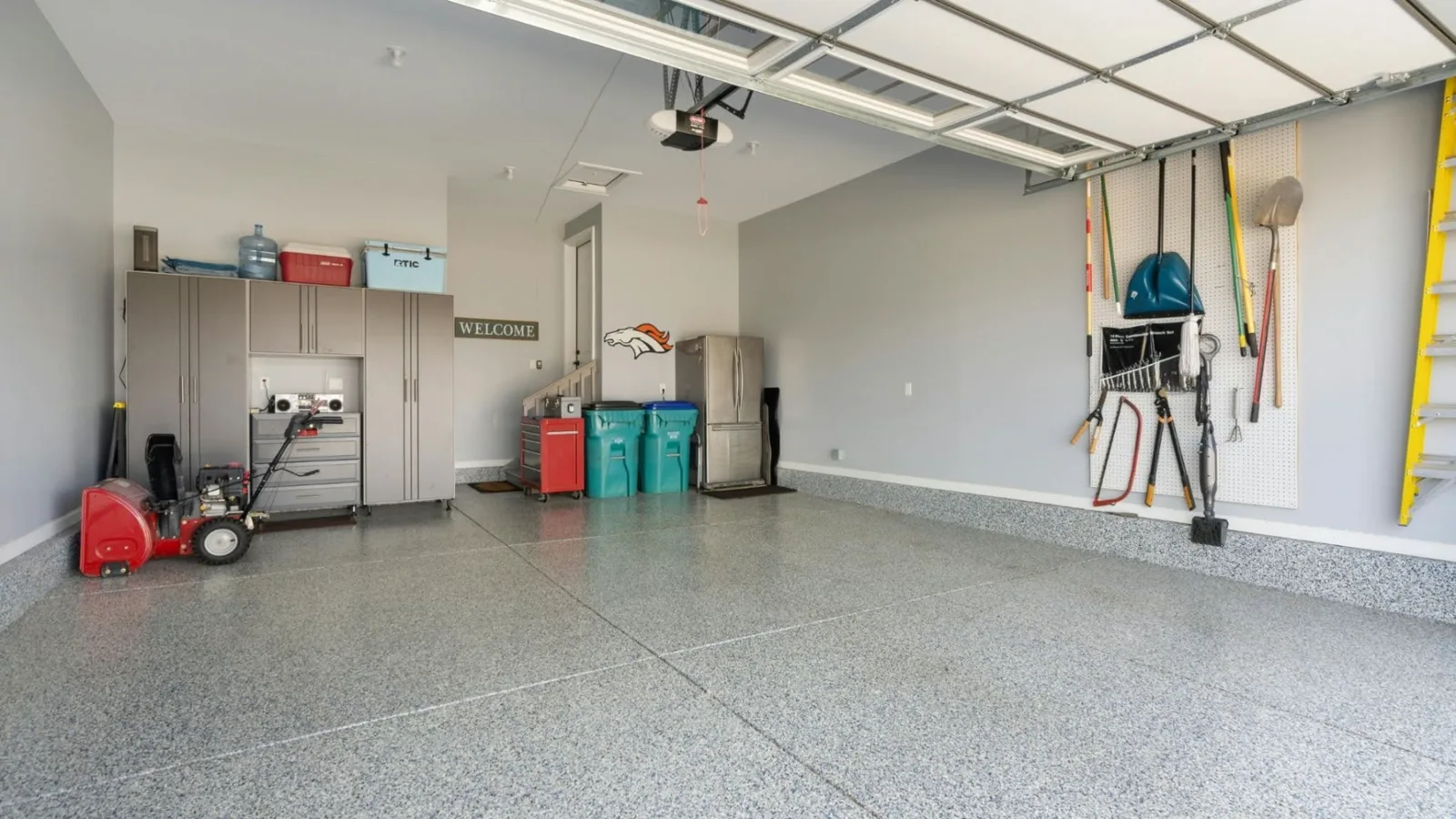
Garages routinely hold airborne pollutants that don't belong in your living space: car exhaust containing carbon monoxide and benzene, stored pesticides and fertilizers, gasoline for mowers and trimmers, and off-gassing paints, solvents, and glues from workshop projects (Building America Solution Center, a Department of Energy-funded resource).
A whole house fan works by depressurizing the living space slightly to pull air through open windows. If your garage shares a wall or ceiling with the house and that boundary isn't fully air-sealed, that same depressurization can pull garage air — and whatever's in it — into your home instead of just outdoor air through your windows.
What a Garage Actually Needs Is a Dedicated Exhaust Fan
The EPA's Indoor AirPlus program addresses this directly: homes relying on exhaust-only ventilation are required to either install a dedicated garage exhaust fan or verify the garage-to-house air barrier with a blower door test. A qualifying garage fan needs at least 70 CFM of capacity, ENERGY STAR certification, and either continuous operation or a motion sensor that keeps it running for at least an hour after the garage is vacated (BASC).
That's a fundamentally different design brief than a whole house fan. A garage exhaust fan is meant to run continuously or near-continuously, venting fumes straight outside and creating negative pressure in the garage relative to the house — the opposite pressure relationship a whole house fan creates in the living space.
If You Want Both, Air Sealing Comes First
None of this means you can't have effective cooling and a comfortable garage. It means the two systems need to be set up correctly relative to each other, and the starting point is air sealing the shared wall and ceiling between the garage and the house — sealing drywall seams, using airtight electrical boxes, sealing around wiring and piping, and installing a self-closing, weather-stripped door between the spaces (BASC).
Once that boundary is properly sealed, a whole house fan in the living space and a dedicated garage exhaust fan can operate independently without one undermining the other. Skip the air sealing, and running a whole house fan can actually make garage air infiltration worse than doing nothing at all.
A Note on Whole House Attic Fan Installation Near a Garage
If your garage attic connects to the same attic space your whole house fan exhausts into, that's worth flagging to your installer specifically. Whole house attic fan installation in homes with an attached garage sometimes requires extra attention to where the garage attic and house attic are separated, since shared attic space can create another path for garage air to reach the rest of the house.
This is exactly the kind of home-specific detail a generic installation guide won't catch, and it's worth mentioning explicitly rather than assuming your attic is compartmentalized the way it looks from the ground.
Cooling and Ventilation Are Two Different Jobs
A whole house fan and a garage exhaust fan solve different problems: one cools your living space by exchanging air through open windows, the other protects your living space by keeping garage fumes from getting into it in the first place. Neither one substitutes for the other, and running a whole house fan without properly air-sealing an attached garage can work against you instead of helping.
If you're weighing options for both comfortable cooling and safe garage ventilation, reach out to our team — we can walk through what your home's specific layout actually needs.
FAQ
Can a whole house fan help cool my garage?
Not directly — a whole house fan is designed to cool the living space by exchanging air through windows. Cooling a garage itself typically calls for separate ventilation or cooling equipment.
What's the difference between a whole house fan and a garage exhaust fan?
A whole house fan pulls outdoor air through the living space and exhausts it into the attic. A garage exhaust fan runs continuously or near-continuously to vent fumes and pollutants straight out of the garage.
Is it safe to run a whole house fan if my garage isn't air-sealed from the house?
It can be a real concern. If the garage-to-house boundary has air leaks, running a whole house fan can pull garage air — including car exhaust — into your living space.
Do I need a garage exhaust fan if I already have a whole house fan?
If your garage is attached and used to store chemicals, fuel, or vehicles, a dedicated garage exhaust fan (per EPA guidance, at least 70 CFM, ENERGY STAR-rated) addresses a different need than a whole house fan does.
How is whole house attic fan installation affected by an attached garage?
If the garage and house share attic space, that connection needs to be checked during installation to make sure garage air isn't finding a path into the main attic and back into the house.
Get a Free Quote Today
Ready to save up to 90% on your cooling costs? Contact Fresno's trusted QuietCool Platinum Dealer for a free consultation.