Got Solar but Still Paying PG&E? Here's the Missing Piece
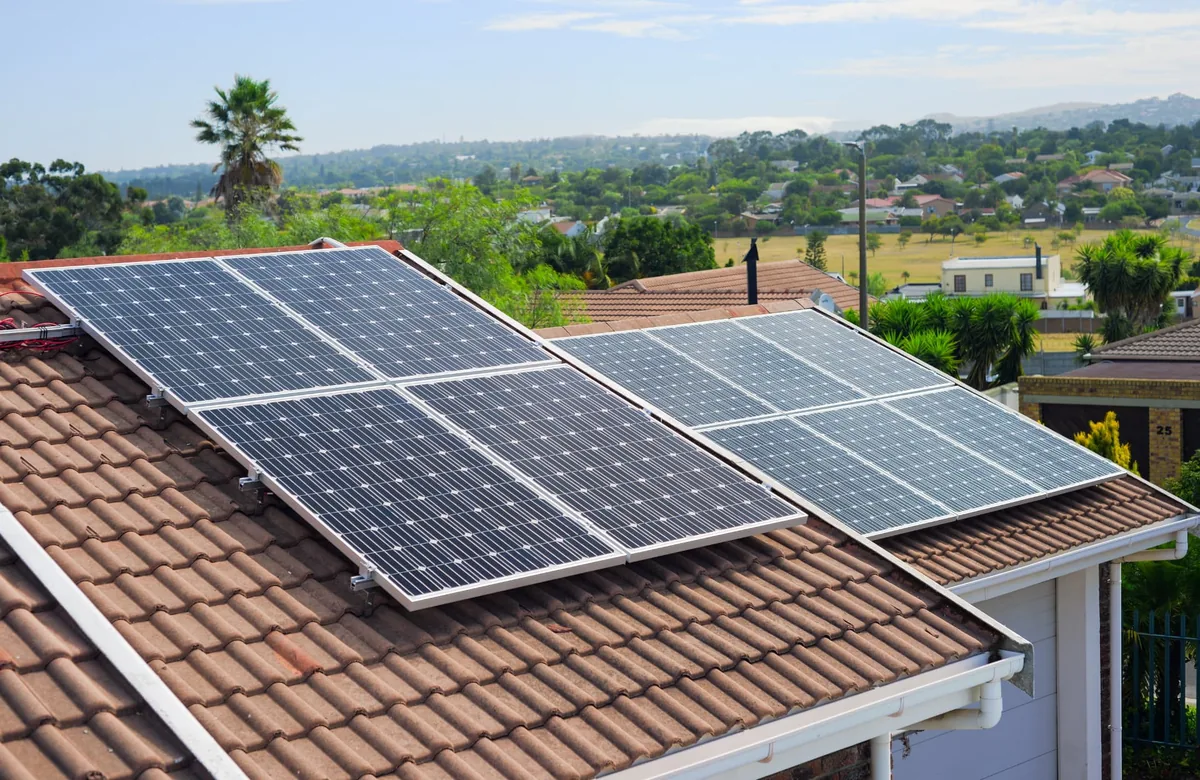
If you installed solar expecting your PG&E bill to disappear — but you're still getting hit with a yearly True-Up — you're not alone.
We hear this all the time from Fresno homeowners:
"I have solar… why am I still paying PG&E?"
In most cases, the issue isn't your solar system.
It's how your home cools itself when the sun goes down.
Why Solar Alone Doesn't Eliminate PG&E Bills
Solar panels work great during the day. But in Fresno, the biggest energy usage often happens after sunset.
Here's why:
- Outdoor temperatures stay high into the evening
- Homes retain heat from the day
- Air conditioners keep running at night
- Solar production drops to zero
- PG&E peak and off-peak rates still apply
That nighttime AC usage is what quietly builds up your True-Up bill.
The Missing Piece: How Heat Leaves Your Home
Most homes are very good at trapping heat — but terrible at releasing it.
Even after sunset:
- Attics stay hot
- Walls and ceilings radiate stored heat
- Bedrooms remain uncomfortable
- AC systems keep cycling just to maintain temperature
Without a way to quickly flush that heat out, your solar savings stop the moment the sun goes down.
How a Whole House Fan Complements Solar Perfectly
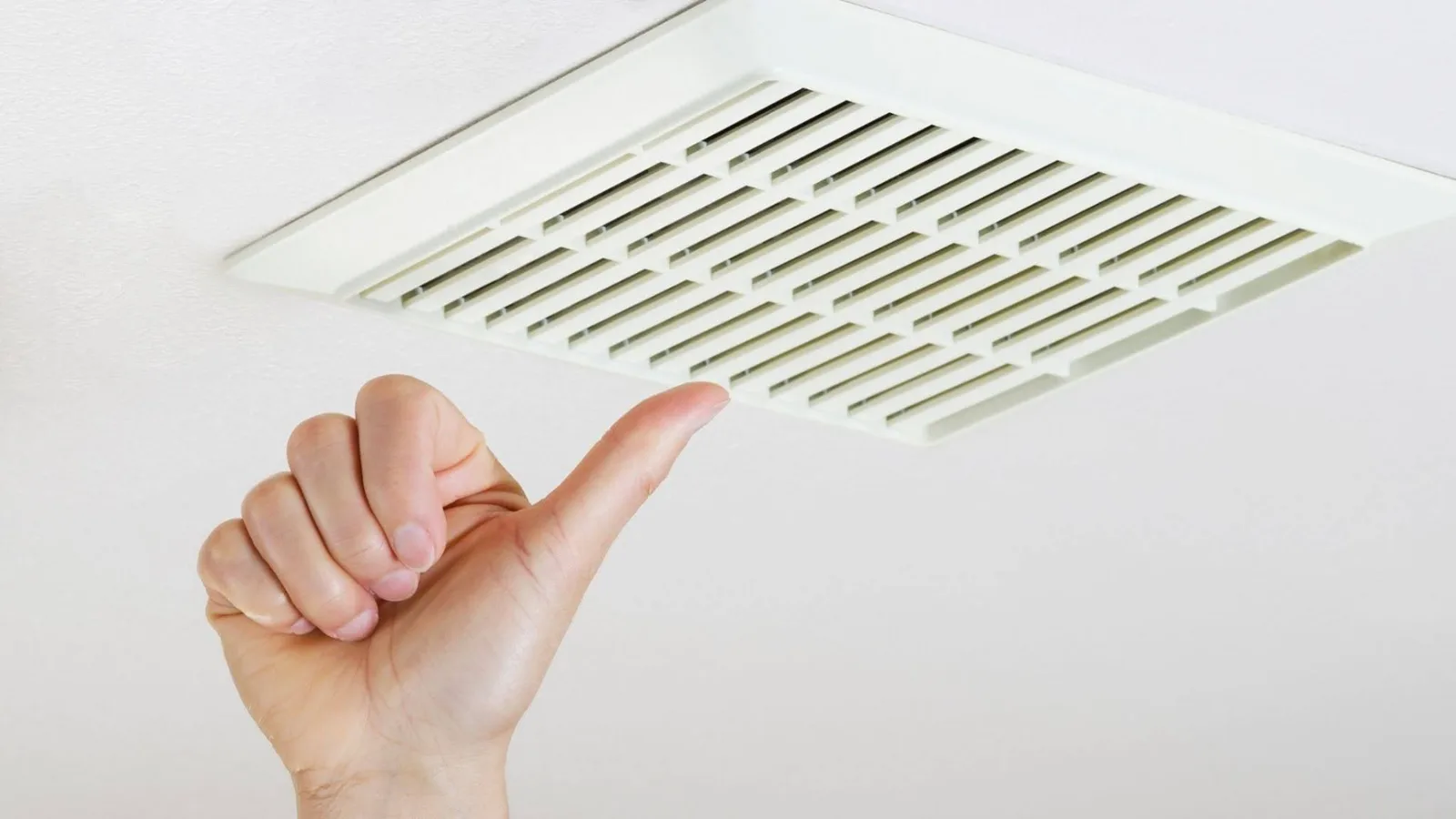
A whole house fan solves the exact problem solar can't.
Instead of mechanically cooling air, it:
- Pulls cooler outdoor air into the home
- Pushes hot air out through the attic
- Creates whole-home airflow
- Rapidly cools the structure of the house
This allows many homeowners to turn off their AC hours earlier — often right when solar production ends.
Why This Matters for Your PG&E True-Up Bill
True-Up charges aren't just about total energy use — they're about when energy is used.
By using a whole house fan:
- You reduce nighttime AC runtime
- You avoid higher-rate electricity usage
- You lower annual grid dependency
- You start each day with a cooler home
That combination can dramatically reduce True-Up surprises.
Fresno's Climate Makes This Even More Effective
Fresno is uniquely suited for whole house fans because:
- Hot days are followed by cooler evenings
- The dry air ventilates efficiently
- Summer cooling seasons are long
When outside temperatures drop into the 60s or 70s, a whole house fan can cool your home faster — and with far less energy — than running AC.
Why QuietCool Is a Popular Choice for Solar Homes
Not all whole house fans are the same. For solar homes, efficiency and noise matter.
We often recommend QuietCool systems because they offer:
- High airflow with very low energy use
- Ultra-quiet operation
- ECM motors that use a fraction of AC power
- Multiple models sized for different home layouts
This makes them ideal for homeowners already focused on energy efficiency.
Solar + Whole House Fan = A Smarter Cooling Strategy
Think of it this way:
- Solar handles daytime energy needs
- Whole house fan handles nighttime cooling
Together, they:
- Reduce AC dependency
- Improve comfort
- Lower annual energy costs
- Help maximize your solar investment
For many Fresno homeowners, this combination finally delivers the savings they expected from solar in the first place.
Cost vs Value: An Upgrade That Actually Makes Sense
Most whole house fan installations fall under $3,000, depending on the home.
Compared to:
- Adding more solar panels
- Installing battery storage
- Replacing an AC system
…it's one of the most cost-effective upgrades available.
Final Thoughts: Solar Works Best With the Right Cooling Strategy
If you have solar but are still paying PG&E, the solution isn't always more equipment on the roof.
Sometimes, it's about letting heat leave your home efficiently.
A properly installed whole house fan can be the missing piece that helps your solar system finally perform the way you expected.
Want to Lower Your True-Up Bill in Fresno?
At Whole House Fan Company, we help Fresno homeowners:
- Reduce nighttime AC use
- Improve airflow and comfort
- Choose the right QuietCool system for their home
If you're ready for real answers — not guesswork — we're here to help.
Get a Free Quote Today
Ready to save up to 90% on your cooling costs? Contact Fresno's trusted QuietCool Platinum Dealer for a free consultation.