Why Your House Feels Hot Even With the AC On (And How to Fix the Airflow)
If your air conditioner is running nonstop but your house still feels hot, stuffy, or unevenly cooled, the problem usually isn't your AC.
It's airflow.
We see this all the time in Fresno homes — especially during summer. Homeowners assume they need a bigger AC system, when in reality, the house simply can't move heat out efficiently.
The Most Common Cooling Complaint We Hear in Fresno
Homeowners often tell us:
- "My AC runs all day but it never feels comfortable"
- "Upstairs is always hotter than downstairs"
- "Bedrooms feel stuffy at night"
- "The house cools down eventually, but it takes hours"
These are classic signs of poor airflow and trapped heat, not a failing AC unit.
Why Air Conditioning Alone Isn't Enough
Air conditioning cools air — but it doesn't remove heat buildup very efficiently, especially in Fresno homes.
Here's what typically happens:
- Heat builds up in the attic all day
- Walls, ceilings, and insulation absorb that heat
- When the sun goes down, the structure of the home stays hot
- The AC keeps cycling just to maintain temperature
Without proper ventilation, your home is constantly fighting itself.
The Real Issue: Trapped Heat and Poor Airflow
Most homes weren't designed to:
- Release heat quickly
- Create natural airflow
- Flush out hot attic air at night
Instead, heat gets trapped in:
- Attics
- Upper floors
- Hallways and bedrooms
- Older home layouts with limited venting
This is why homes can still feel uncomfortable even when the thermostat says otherwise.
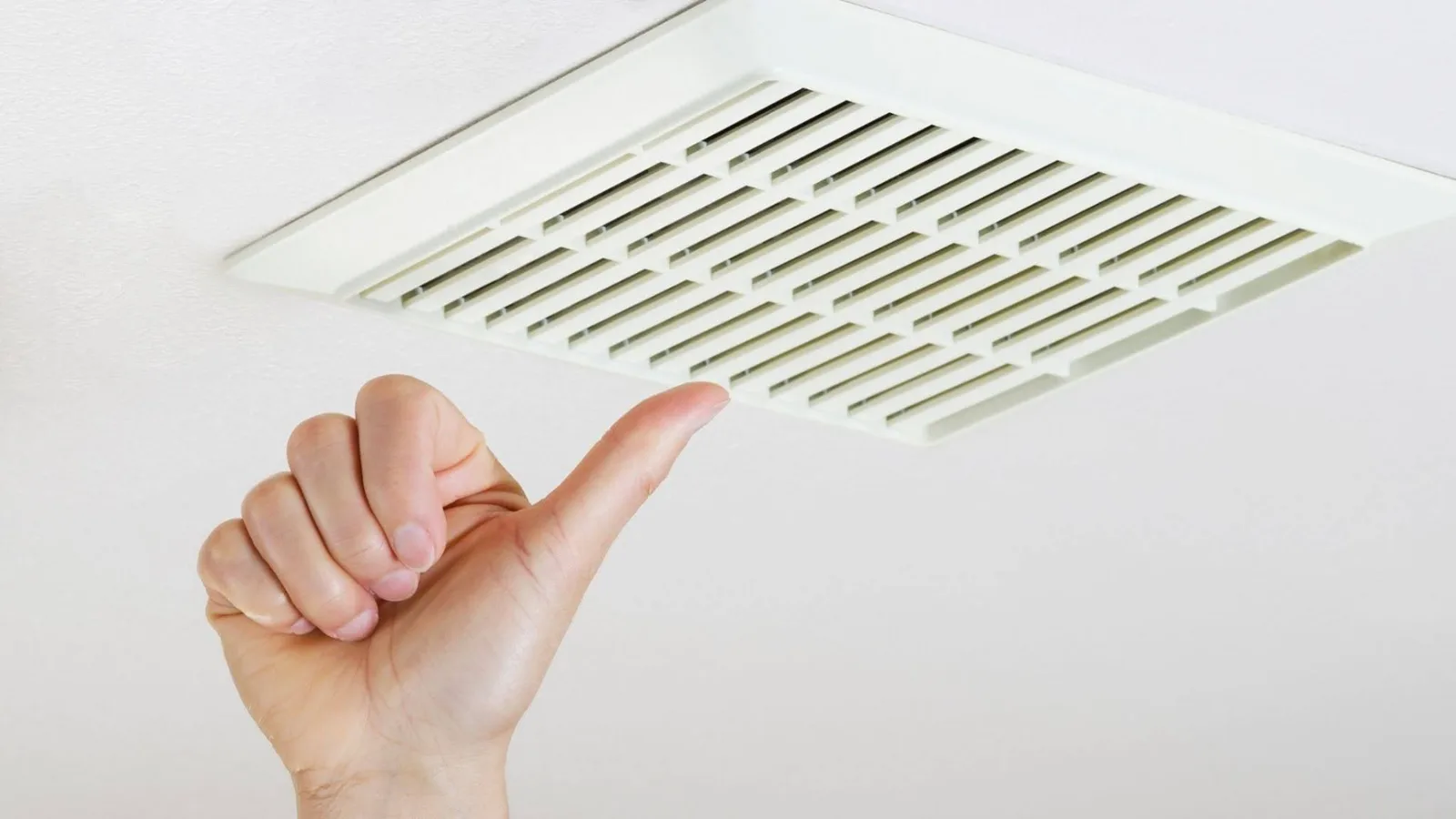
How a Whole House Fan Fixes the Airflow Problem
A whole house fan works differently than AC.
Instead of recirculating air, it:
- Pulls cooler outdoor air in through open windows
- Forces hot air up and out through the attic
- Creates continuous airflow throughout the home
- Cools the structure of the house, not just the air
The result is faster cooling, better comfort, and far less reliance on AC — especially at night.
Why Whole House Fans Work So Well in Fresno
Fresno's climate is ideal for whole house fans:
- Hot days, cooler evenings
- Dry air that ventilates efficiently
- Long cooling seasons
Once outdoor temperatures drop in the evening, a whole house fan can cool your home in minutes — not hours.
Many homeowners are surprised how quickly the house feels comfortable once airflow is restored.
What About Noise? (A Common Concern)
Older whole house fans earned a bad reputation for being loud. Modern systems are completely different.
High-quality systems like QuietCool are designed with:
- Insulated ducting
- Remote-mounted motors
- Low-noise, high-efficiency airflow
- Variable speed options
In most installs, you'll hear airflow — not a roar.
Signs a Whole House Fan Might Be Right for Your Home
You're a good candidate if:
- Your home feels hot even with AC running
- Upstairs rooms are noticeably warmer
- The house cools slowly after sunset
- You want better airflow without high energy costs
- You're tired of running AC late into the night
These are especially common issues in Fresno homes built before modern airflow standards.
Whole House Fan vs Running AC All Night
Here's the key difference:
- AC: High energy use, mechanical cooling, peak-rate electricity
- Whole house fan: Low energy use, natural cooling, off-peak operation
Many homeowners use a whole house fan to:
- Shut off AC earlier in the evening
- Sleep more comfortably
- Wake up to a cooler home
- Reduce overall wear on their AC system
Final Thoughts: Comfort Comes From Airflow, Not Just AC
If your home never feels quite right — even with the AC on — it's likely an airflow issue, not a cooling capacity issue.
A whole house fan is one of the simplest, most effective ways to:
- Fix airflow problems
- Improve comfort throughout the home
- Reduce AC dependence
- Lower energy costs over time
Want to Fix Airflow in Your Fresno Home?
At Whole House Fan Company, we help Fresno homeowners identify airflow problems and install properly sized, ultra-quiet whole house fans designed for Central Valley conditions.
If you're done guessing and want real comfort, we're happy to help.
Get a Free Quote Today
Ready to save up to 90% on your cooling costs? Contact Fresno's trusted QuietCool Platinum Dealer for a free consultation.