Struggling With Your PG&E True-Up Bill? A Whole House Fan Might Be the Fix
If you live in Fresno and opened your PG&E True-Up bill with a sinking feeling, you're not alone. We talk to homeowners every week who thought solar would solve their energy costs — only to be hit with a surprise bill at the end of the year.
The problem usually isn't your solar system. It's how your home cools itself, especially at night.
One of the most effective (and affordable) fixes we install is a whole house fan, and for many Central Valley homes, it's the missing piece in finally getting PG&E costs under control.
Why Fresno Homeowners Still Get High PG&E True-Up Bills
Even with solar, most homes rely heavily on air conditioning, especially during Fresno's long, hot summers. Here's where the issue starts:
- Solar production drops off in the evening
- Temperatures stay high well into the night
- AC systems keep running when solar isn't offsetting usage
- PG&E peak rates kick in
By the end of the year, all that nighttime AC use adds up — and shows up on your True-Up bill.
The Cooling Mistake Most Homeowners Don't Realize They're Making
Many Fresno homes trap heat inside the attic and living space all day. When the sun goes down, that heat has nowhere to go — so the AC keeps working overtime.
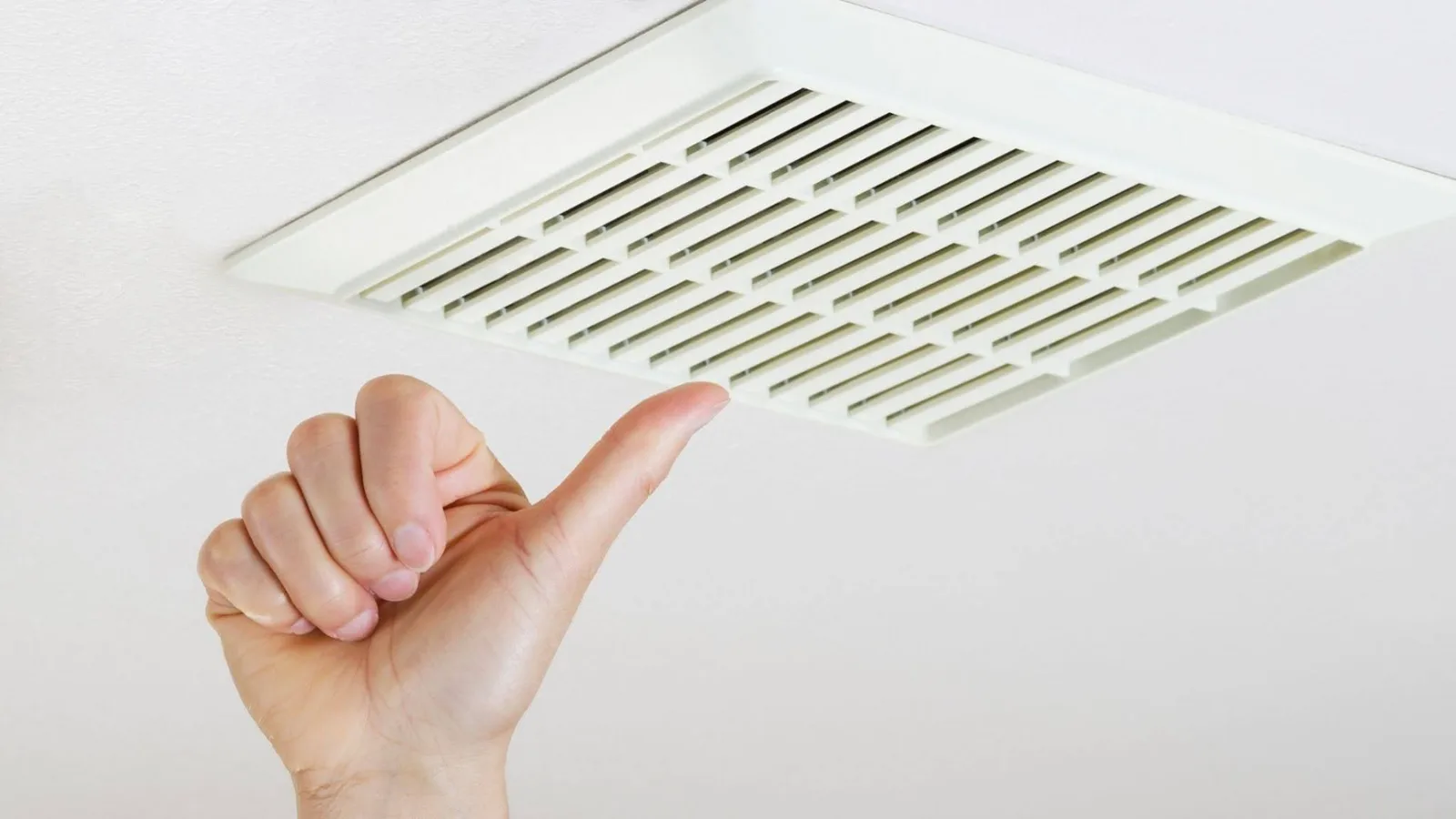
A whole house fan changes that entirely.
Instead of mechanically cooling the air like an AC unit, it:
- Pulls hot air out of your home
- Draws in cooler evening air through open windows
- Flushes heat out through the attic
- Cools the structure of the home, not just the air
This dramatically reduces how long (and how often) your AC needs to run.
How a Whole House Fan Helps Reduce Your PG&E True-Up Bill
For many Fresno homeowners, the savings come from when energy is used, not just how much.
A whole house fan allows you to:
- Turn off the AC earlier in the evening
- Avoid peak PG&E rates
- Reduce overnight cooling costs
- Start the next day with a cooler home
In practical terms, we often see homeowners cut evening and nighttime AC usage by 50% or more during summer months.
That's where the real True-Up savings happen.
Why Whole House Fans Work Especially Well in Fresno
Fresno's climate is ideal for whole house fans because:
- Evenings cool down significantly compared to daytime highs
- The air is generally dry (perfect for ventilation cooling)
- Many homes were built without modern airflow design
When outdoor temperatures drop into the 60s or 70s at night, a whole house fan can cool your home faster — and with far less energy — than running AC.
Why We Recommend QuietCool for Fresno Homes
At Whole House Fan Company, we install several systems, but QuietCool stands out for Central Valley homes.
QuietCool whole house fans are known for:
- Extremely low noise levels
- High airflow efficiency
- Energy-efficient ECM motors
- Multiple sizes for different home layouts
- Excellent performance in hot climates like Fresno
Most importantly, they move a large volume of air without sounding like a jet engine, which is a common concern homeowners have.
Is a Whole House Fan Worth It If You Have Solar?
In many cases, especially if you have solar, a whole house fan makes more sense — not less.
Solar helps during the day. A whole house fan helps when solar stops producing.
Together, they:
- Reduce reliance on nighttime AC
- Improve overall energy efficiency
- Lower annual PG&E True-Up bills
- Extend the lifespan of your AC system
Cost vs Savings: A Smart Upgrade Under $3,000
Most whole house fan installations in Fresno come in under $3,000, depending on home size and layout.
Compared to:
- Rising PG&E rates
- AC repairs or replacements
- Battery storage costs
…it's one of the lowest-cost upgrades with the highest energy ROI available.
Many homeowners see meaningful savings in the first summer after installation.
Final Thoughts: A Smarter Way to Beat PG&E Bills
If you're frustrated with your PG&E True-Up bill, the answer isn't always more solar panels or running your AC less.
Often, it's about cooling your home smarter.
A properly sized, professionally installed whole house fan — especially a QuietCool system — can be the missing piece that finally brings your energy costs back under control.
Thinking About a Whole House Fan in Fresno?
At Whole House Fan Company, we specialize in helping Fresno homeowners:
- Reduce PG&E bills
- Improve airflow and comfort
- Choose the right QuietCool system for their home
If you're tired of guessing and want real answers, we're happy to help.
Get a Free Quote Today
Ready to save up to 90% on your cooling costs? Contact Fresno's trusted QuietCool Platinum Dealer for a free consultation.